
Why Carpet Stains Come Back After Cleaning
A mark that disappears and returns is usually wicking—not proof that the carpet was never cleaned. Here is what causes it and what to do next.
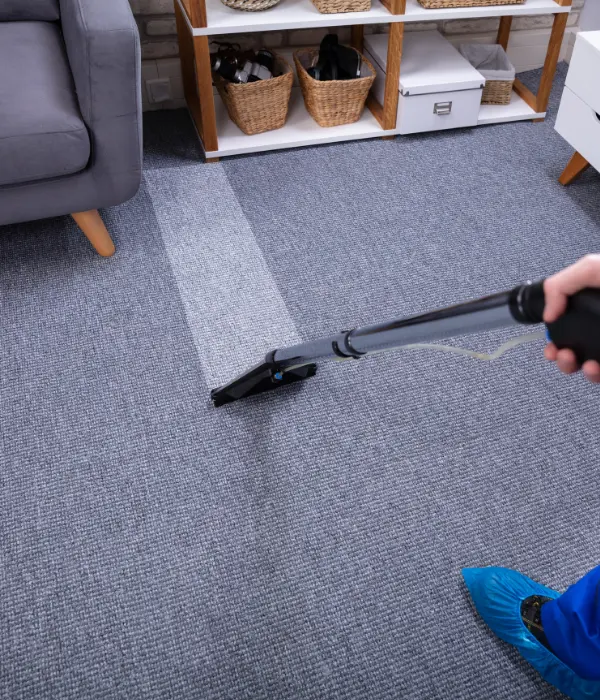
A returning mark is frustrating, but it gives us a useful clue: the spill probably travelled deeper than the part you can see.
You clean a spill, the carpet looks good, and then the same dark shape appears a day or two later. This is commonly called wicking. It happens when liquid or soil below the visible carpet fibres travels back towards the surface as the carpet dries.
Why the stain comes back
The original spill may have reached the carpet backing or underlay. Cleaning the top of the pile can improve the appearance immediately, but moisture can carry some of the remaining material upwards. Large drink spills, pet urine and repeated DIY spot treatments are common causes.
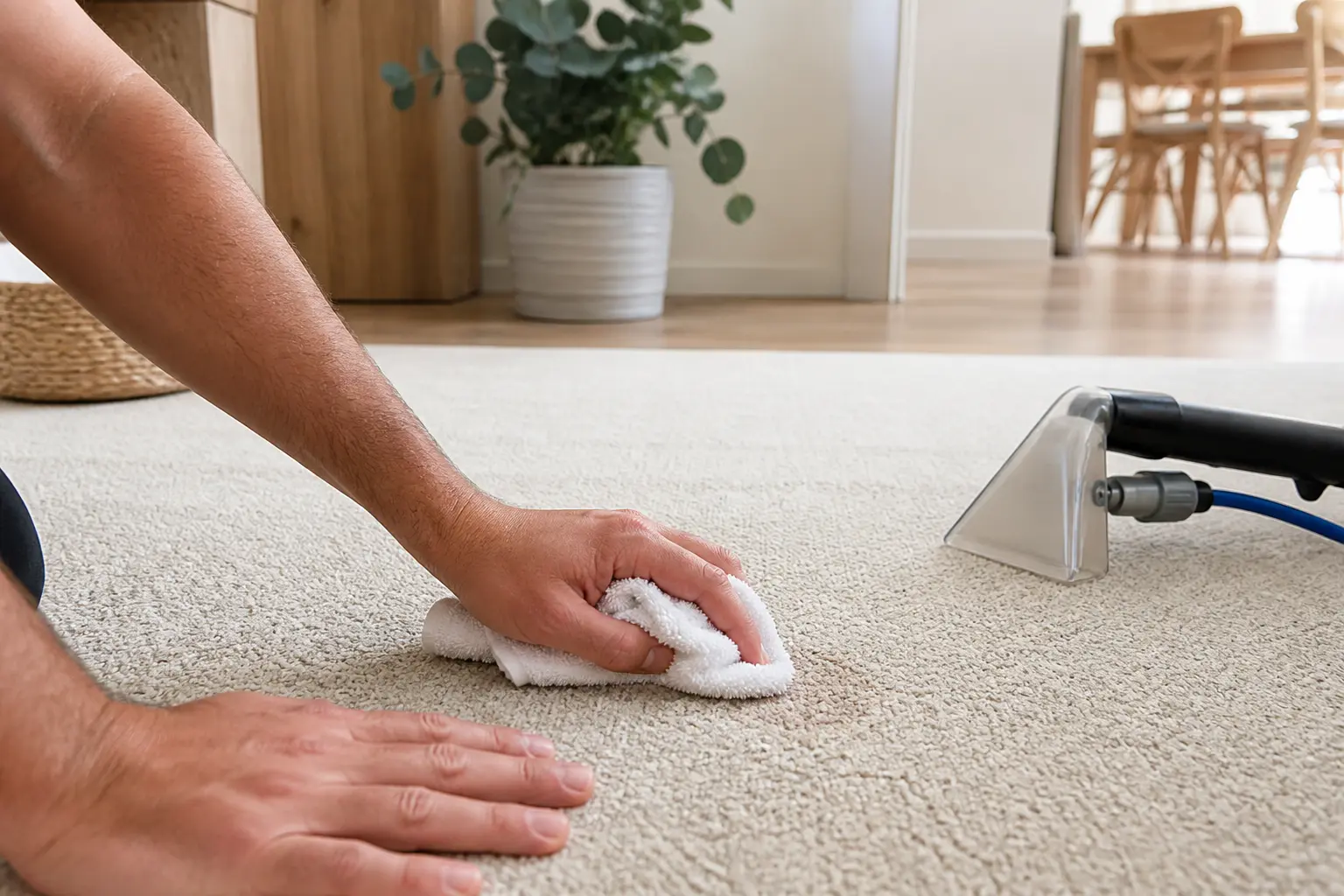
Blot fresh spills instead of scrubbing them. Use clean white towels, work from the outside towards the centre and avoid pouring large amounts of product onto the area. Too much detergent can leave sticky residue that attracts fresh soil.
What we look for on the job
A professional clean should begin with questions about the spill, previous treatments and how long the mark has been present. Targeted chemistry, controlled extraction and faster drying reduce the chance of wick-back. Severe contamination in the backing or underlay may need more than a standard surface treatment.
No technician can promise every stain will disappear permanently. Bleach, dye loss and some old spills cause permanent colour change. A good cleaner will pre-test, explain what is realistic and distinguish removable soil from damage.
What wicking actually means
Carpet has several layers. The visible pile sits above a backing, and beneath that there is usually underlay. A large spill can pass through the pile before anyone has time to blot it. When the surface is cleaned later, the fibres may look clear even though some of the spill remains below. As the carpet dries, moisture moves towards the surface and can carry dissolved soil with it. The mark then reappears in roughly the same shape.
Wicking is more common after large drink spills, pet accidents and repeated applications of spot cleaner. It can also happen when too much water is used during DIY cleaning or when drying is slow. A returning mark does not automatically mean the carpet was cleaned badly, but it does mean the depth of the original spill needs to be considered.
Stain, soil or permanent damage?
Not every visible mark is removable soil. Bleach and some acne, bathroom or household products can remove carpet dye. Strong cleaners can alter the colour, and prolonged exposure to a spill can permanently change some fibres. These areas may look like stains but cannot be extracted because the original colour has changed.
A technician should inspect the mark, ask what caused it and test the carpet before making promises. If a white towel lifts colour from the carpet during testing, the treatment has to change. If the mark is dye loss, cleaning may improve surrounding soil but will not restore the missing colour.
What to do when a mark returns
Do not keep adding different products. Blot any surface moisture, take a clear photo and note when the mark returned. Tell the cleaner what was spilled, what was used on it and whether the area has an odour. That history is often more useful than the colour of the stain.
Treatment may involve a controlled re-clean, a specialist rinse and faster drying. If contamination is present in the underlay, surface treatment may not be enough. Pet urine or a very large spill can require lifting the carpet, replacing a section of underlay or treating the floor beneath it. A responsible cleaner should explain that possibility before repeating a standard clean.
Reducing the chance of it happening again
Deal with fresh spills by pressing clean white towels firmly onto the area and changing them as they absorb liquid. Work from the outside of the spill towards the centre. Avoid scrubbing, because it can spread the liquid and damage the pile. Do not pour cleaner directly from the bottle. Apply a small tested amount to a towel instead.
After professional cleaning, improve airflow with fans and ventilation where weather allows. Keep foot traffic off the damp area and do not cover it with furniture protectors, plastic or a rug. Faster, even drying reduces the opportunity for material below the surface to travel back up.