
How Long Does a Couch Take to Dry After Cleaning?
Most couches dry within several hours, but fabric, cushioning, weather and airflow all affect the real answer.
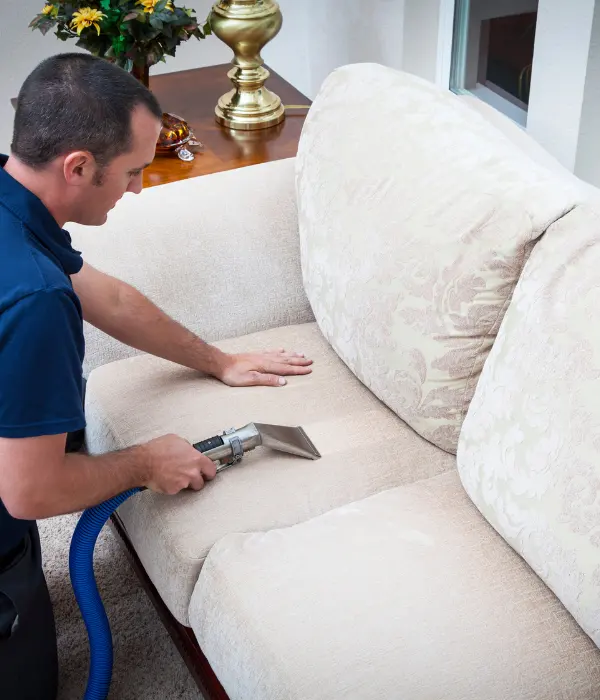
Most couches are ready later the same day, but seams, piping and thick cushions often take longer to dry. The fabric, cushion filling, humidity and airflow determine the drying time.
There is no single drying time for every couch. A lightly soiled synthetic fabric in a ventilated room may feel dry within a few hours. A dense natural fabric, heavy soil treatment or thick cushioning can take considerably longer.
The honest answer: it depends
Professional upholstery cleaning uses controlled moisture. The aim is to deliver enough solution and agitation to loosen soil, then recover as much moisture as practical. Soaking the fabric is neither necessary nor desirable.
Air movement is usually more valuable than heat alone. Open windows when weather permits, run ceiling or pedestal fans and maintain comfortable room temperature. Avoid placing loose cushions back against each other until all sides are dry.
What we look for on the job
Do not judge dryness only by the top surface. Seams, piping and the area between cushions often retain moisture longer. Wait before covering the couch or allowing pets to settle on it.
Before booking, tell the cleaner whether the couch has removable cushions, feather filling, a sofa-bed mechanism or previous watermarking. These details help determine the safest method and a realistic drying window.
Typical drying times
Many synthetic-fabric couches are touch-dry in four to eight hours when the room has good airflow. Some are faster. Dense fabrics, natural fibres, thick cushion filling and humid weather can extend drying to 12 or even 24 hours. These are working ranges, not guarantees, because two couches in the same room can retain moisture differently.
The top panel is usually the first part to feel dry. Piping, seams, buttoning and the gaps between cushions are slower. Check those areas before putting the couch back into normal use.
What affects the drying time
Fabric construction is one factor, but the amount of treatment required matters as well. A lightly soiled couch may need less solution and fewer cleaning passes than upholstery with heavy body oils, food spills or old product residue. Removable feather-filled cushions can take longer because moisture moves into the filling. Sofa-bed mechanisms can restrict airflow beneath the fabric.
Room conditions are equally important. Warm, moving air supports evaporation. A closed room on a humid Gold Coast afternoon does not. Air conditioning in dehumidifying mode can help when outside air is humid.
How to help a couch dry evenly
Stand removable cushions separately with space between them. Rotate them after a few hours so the lower edge is exposed. Run ceiling or pedestal fans to move air across the room. Open windows only when the outside air is reasonably dry; during rain or high humidity, air conditioning or a dehumidifier may be more effective.
Do not use a hair dryer or heater close to the fabric. Concentrated heat can affect fibres, dyes, adhesives or backing materials. Do not cover damp upholstery with sheets or throws, and keep pets off until seams and cushion edges are dry.
Planning around the clean
Book for a time when the room can remain ventilated and the couch will not be needed immediately. Move small objects, throws and removable covers beforehand, but leave fitted cushions in place for inspection. Tell the technician about feather filling, previous watermarking, stain-protection products and any cleaning attempts.
If the couch is still clearly damp after the advised window, increase airflow and contact the cleaner. A cool feel is not always moisture, so check with a dry white paper towel at a hidden seam. Persistent odour, browning or water marks should be reported rather than treated with another household product.