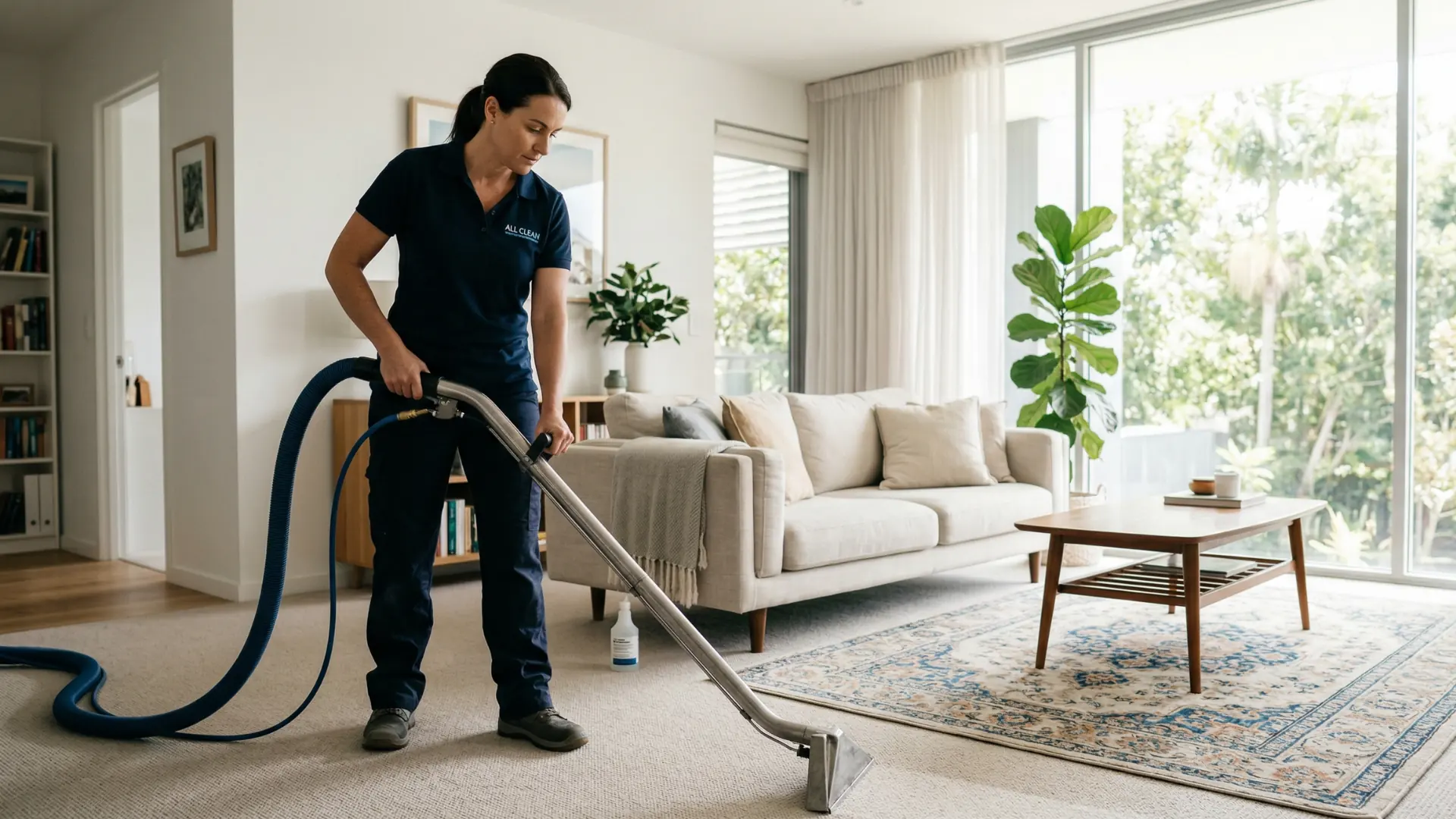

Most people know they should wash their sheets regularly, but far fewer stop to ask what is happening underneath them. Over time, mattresses collect sweat, body oils, dead skin, dust, odours and everyday residue that can affect how fresh the bed feels and, in some homes, how comfortably people sleep. If you live in Gold Coast, have children, deal with allergies or simply want a cleaner, healthier sleep space, this guide is worth reading from start to finish. We will break down how often mattress cleaning really makes sense, what changes the schedule, what you can do at home between services, and when it is time to bring in professional help.
Table of Contents
- The Short Answer: How Often Should You Clean a Mattress?
- Why Mattresses Get Dirty Faster Than Most People Think
- Dust Mites, Allergies and Night-Time Symptoms
- Why Homes With Kids Often Need More Frequent Mattress Cleaning
- How Gold Coast Conditions Can Affect Your Mattress
- What You Can Do at Home Between Professional Cleans
- Signs It Is Time to Book a Professional Mattress Clean
- What Professional Mattress Cleaning Actually Involves
- Conclusion
The Short Answer: How Often Should You Clean a Mattress?
For most households, professional mattress cleaning every 6 to 12 months is a sensible benchmark. That is frequent enough to help manage the build-up that normal bedding changes cannot fully address, while still being practical for everyday life. However, not every home is the same. If someone in the house has allergies, if children regularly sleep in the bed, if there are pets, spills, sweat issues or lingering odours, that timeline often shortens.
In other words, mattress cleaning should not be treated as a fixed calendar task for everyone. It should reflect how the mattress is used, who uses it and what is happening in the room around it. A guest-room mattress may go much longer between cleans than the main family bed. A child’s mattress, on the other hand, can need attention sooner than many parents expect.
If you are unsure where your home sits on that spectrum, a good starting point is to think in two layers: routine care at home, and deeper professional cleaning when hygiene, freshness and allergen build-up start to go beyond what surface maintenance can manage.
Why Mattresses Get Dirty Faster Than Most People Think
A mattress can look clean and still hold far more residue than most people realise. Every night, the body releases moisture, oils and tiny skin particles. Add warm room conditions, everyday dust, occasional spills, children climbing into bed after playtime, pets sneaking up for a nap and the usual wear of daily life, and the mattress gradually becomes a place where residue settles deep into the fabric and upper layers.
That matters for two reasons. First, build-up affects freshness. Even if there are no obvious stains, the mattress can start to feel heavy, stale or less pleasant over time. Second, a mattress is not a decorative surface. It is where people spend hours every night, often with their face close to the fabric. That is why cleaning it has a different importance than cleaning many other household items.
Many people are diligent with bed sheets but rarely think beyond them. Weekly sheet washing is excellent practice, but it does not remove what has already travelled deeper into the mattress. That is why regular care and periodic deep cleaning work best together rather than as substitutes.

Dust Mites, Allergies and Night-Time Symptoms
One of the most common reasons people book mattress cleaning is not a dramatic stain or a visible accident. It is the quieter issue of sleep comfort. If someone wakes congested, sneezes more at night or in the morning, or feels like the bedroom triggers symptoms more than the rest of the house, the mattress may be part of the picture.
Dust mites thrive in household dust and tend to gather in places where people spend long periods of time, especially in bedding and mattresses. For allergy-prone homes, that makes the bed one of the most important areas to manage. This does not mean every mattress becomes a health emergency. It means bedroom hygiene deserves more attention than it usually gets.
Professional mattress cleaning can help reduce the build-up of allergens and residues in the mattress fabric and upper layers, which supports a fresher sleep environment. It also pairs well with simple habits at home, such as washing sheets weekly, using a breathable mattress protector and keeping the room well ventilated. For households where easier breathing at night is a priority, consistency matters more than one-off effort.
If allergy symptoms are part of the reason you are reading this, it makes sense to combine good weekly habits with a periodic professional mattress cleaning service instead of waiting until the bed smells, looks stained or feels overdue.
Why Homes With Kids Often Need More Frequent Mattress Cleaning
Children change the equation. In family homes, mattresses are not used in a neat, controlled way. They become places for story time, snack crumbs, morning cuddles, accidental spills, night sweating, sick days and the occasional toilet-training setback. Even when parents stay on top of sheets and protectors, kids’ mattresses and shared family beds often face heavier use than adults first assume.
That is why homes with young children usually benefit from more frequent mattress cleaning than the standard once-a-year approach. It is not only about visible accidents. Children can be more sensitive to irritants, and they spend a great deal of time sleeping. If a mattress has absorbed repeated spills, sweat or odours, it can stop feeling truly clean long before obvious signs appear.
There is also a practical reason to act sooner rather than later. Fresh spills and recent odour issues are generally easier to manage than long-set contamination. Waiting too long can make stains more stubborn and smells harder to shift fully. For families, the best mindset is not panic. It is prevention. When the mattress supports your child’s rest every night, keeping it in better condition is simply part of caring for the room as a whole.
How Gold Coast Conditions Can Affect Your Mattress
Gold Coast living has plenty going for it, but the local environment can make mattresses work harder. Warm weather, humid periods, coastal air and active family lifestyles all influence how quickly fabrics hold moisture, everyday dust and odours. That does not mean every mattress in Gold Coast needs constant cleaning, but it does mean the local context matters.
In a humid environment, moisture can linger longer in bedrooms that are not well ventilated. That can leave mattresses feeling less fresh, especially in homes where the bed is heavily used or where airflow is limited. Add children, pets or regular sweating, and the cleaning schedule often becomes shorter than it would be in a cooler, drier setting.
This is one reason broad online advice can be unhelpful. A generic recommendation might sound fine on paper, but the right timing always depends on the home, the room and the people using the bed. For Gold Coast households, it is often smarter to think in terms of real-world conditions rather than waiting for a mattress to look obviously dirty.
What You Can Do at Home Between Professional Cleans
Professional cleaning is valuable, but it works best when supported by simple care habits in between visits. The most important step is washing bedding regularly. Fresh sheets do a lot to reduce what settles into the mattress over time. A breathable mattress protector also helps by catching everyday wear before it reaches the surface below.
Ventilation matters too. Letting the bed breathe, opening the room when weather allows and avoiding trapping moisture under heavy bedding can all help. If there is a spill, blot it promptly rather than scrubbing aggressively. Scrubbing can push the issue deeper into the fabric and spread the affected area.
You can also vacuum the mattress surface occasionally using an upholstery attachment. This will not replace a professional deep clean, but it is a useful maintenance step. Rotating the mattress according to the manufacturer’s guidance can also help distribute wear more evenly.
These habits are worth doing, but they still have limits. They help manage the surface and slow down accumulation. They do not fully replace a deeper clean when stains, odours, allergen build-up or heavier household use are involved.

Signs It Is Time to Book a Professional Mattress Clean
Sometimes the calendar is enough. Sometimes the mattress tells you more clearly. If you notice any of the following, it is probably time to stop delaying:
- The mattress has a stale, musty or sweaty smell that does not improve after airing out the room.
- There are visible stains from sweat, spills, body oils, pets or children’s accidents.
- Someone in the home is waking with more congestion, sneezing or irritation at night or in the morning.
- The mattress has not been professionally cleaned in over a year.
- The room feels clean, but the bed itself does not feel as fresh as it should.
- There has recently been an illness, accident or hygiene issue that deserves more than a sheet change.
This is also where many people realise they have been “cleaning the bed” without ever really cleaning the mattress. If that sounds familiar, it may be the right time to contact All Clean Revival and get clear advice based on the mattress type, its condition and what you want to address.
What Professional Mattress Cleaning Actually Involves
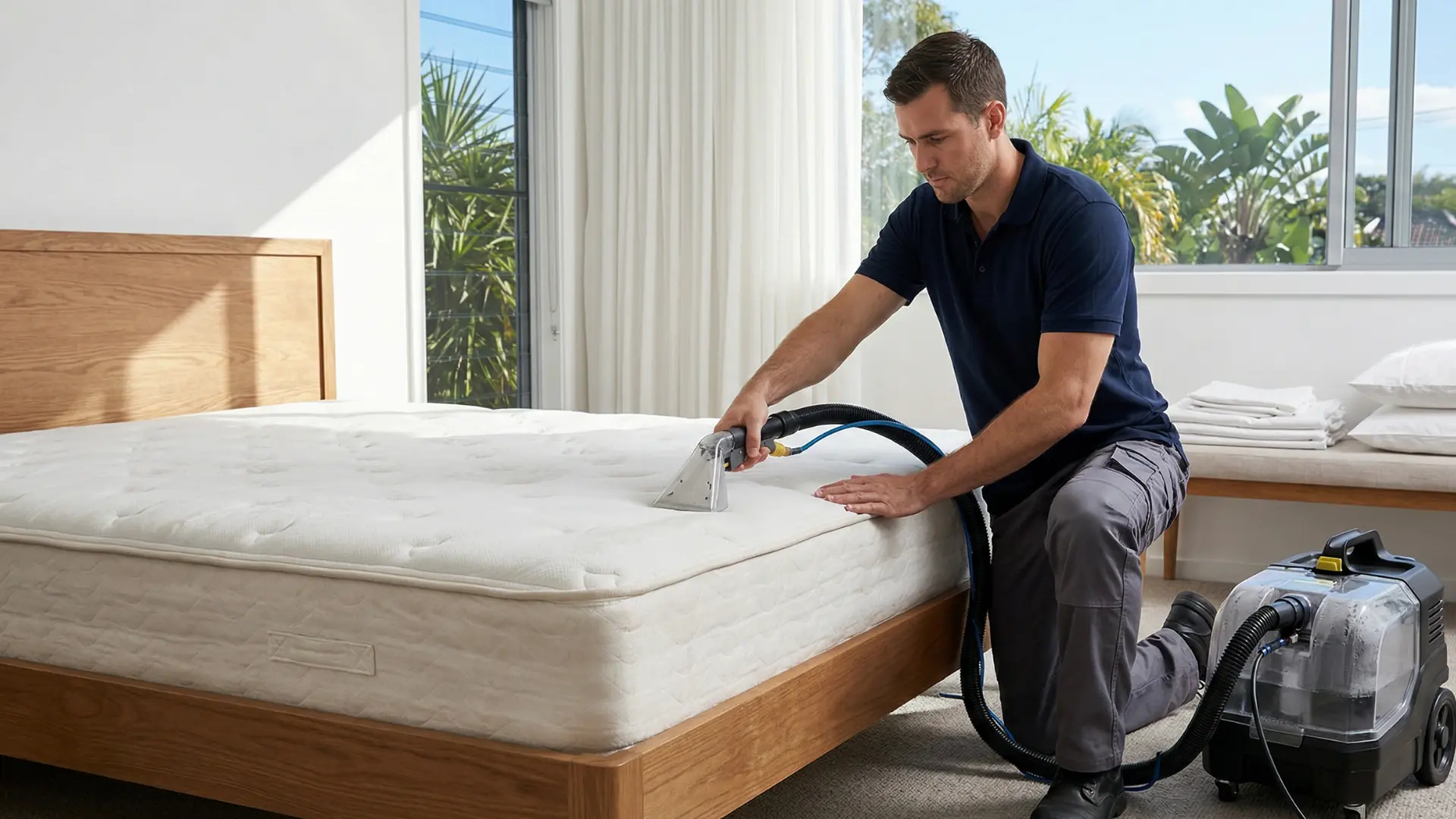
Many people hesitate because they are unsure what the service actually includes. In practice, professional mattress cleaning is not a rough or overly wet process. A quality service begins with assessing the mattress fabric, its condition and any problem areas such as stains, odours or sensitivity concerns. From there, the cleaning method is chosen to suit the material safely.
Depending on the mattress type and what needs to be treated, the process may include targeted pre-treatment for body oils or spots, controlled low-moisture cleaning or extraction, and optional hygiene-focused odour-neutralising treatments where needed. The goal is not only to improve appearance, but to leave the mattress fresher, cleaner and more comfortable to sleep on.
One reason people in busy households appreciate professional service is convenience. It is a practical way to deal with a problem that is awkward to solve well on your own. If the mattress is used daily, getting it cleaned properly can make the whole room feel reset. In many cases, that feeling is as valuable as the visible result.
If you suspect bed bugs, it is important to know that cleaning is not a pest treatment. In that case, pest control should come first, and cleaning can follow once the issue has been professionally resolved.
Conclusion
So, how often do you really need mattress cleaning in Gold Coast? For most homes, every 6 to 12 months is a sound guideline. But if your household includes allergy sufferers, young children, pets, frequent spills, odours or humid room conditions, more frequent cleaning often makes better sense. The key is not to wait for the mattress to look obviously bad. By then, comfort, freshness and hygiene have usually already declined.
A cleaner mattress supports better rest, a fresher bedroom and a more cared-for home overall. Weekly sheet washing and good mattress protection are essential, but they work best when paired with periodic deep cleaning. If your bed feels overdue, your child’s mattress has seen too much action, or you simply want a healthier sleep space, explore All Clean Revival’s Mattress Cleaning service or get in touch here for tailored advice and a free quote.