
Carpet vs Rug Cleaning: What’s the Difference?
Carpet and rug construction differs—and the cleaning method should too.
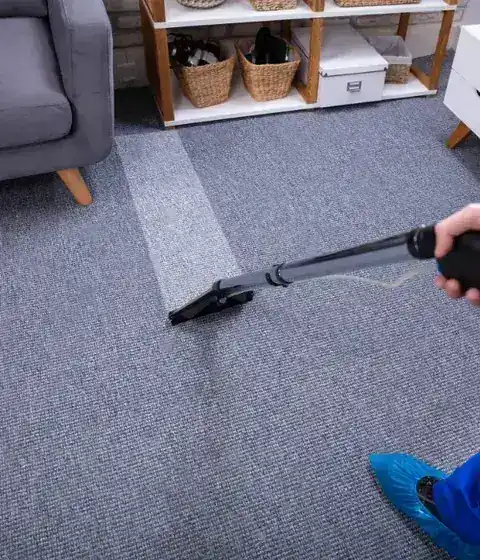
Walk across both in bare feet and they may feel much the same. To a cleaner, though, fitted carpet and a rug are two different jobs. One is installed over underlay; the other may be wool, cotton, viscose or a blend, with dyes and backing that react very differently to moisture.
Start with what it is, not what landed on it
The safest way to remove a coffee spill depends on the material underneath it. We inspect fibre, construction, colour stability and existing wear before choosing chemistry or introducing moisture.
Where all that hidden grit goes
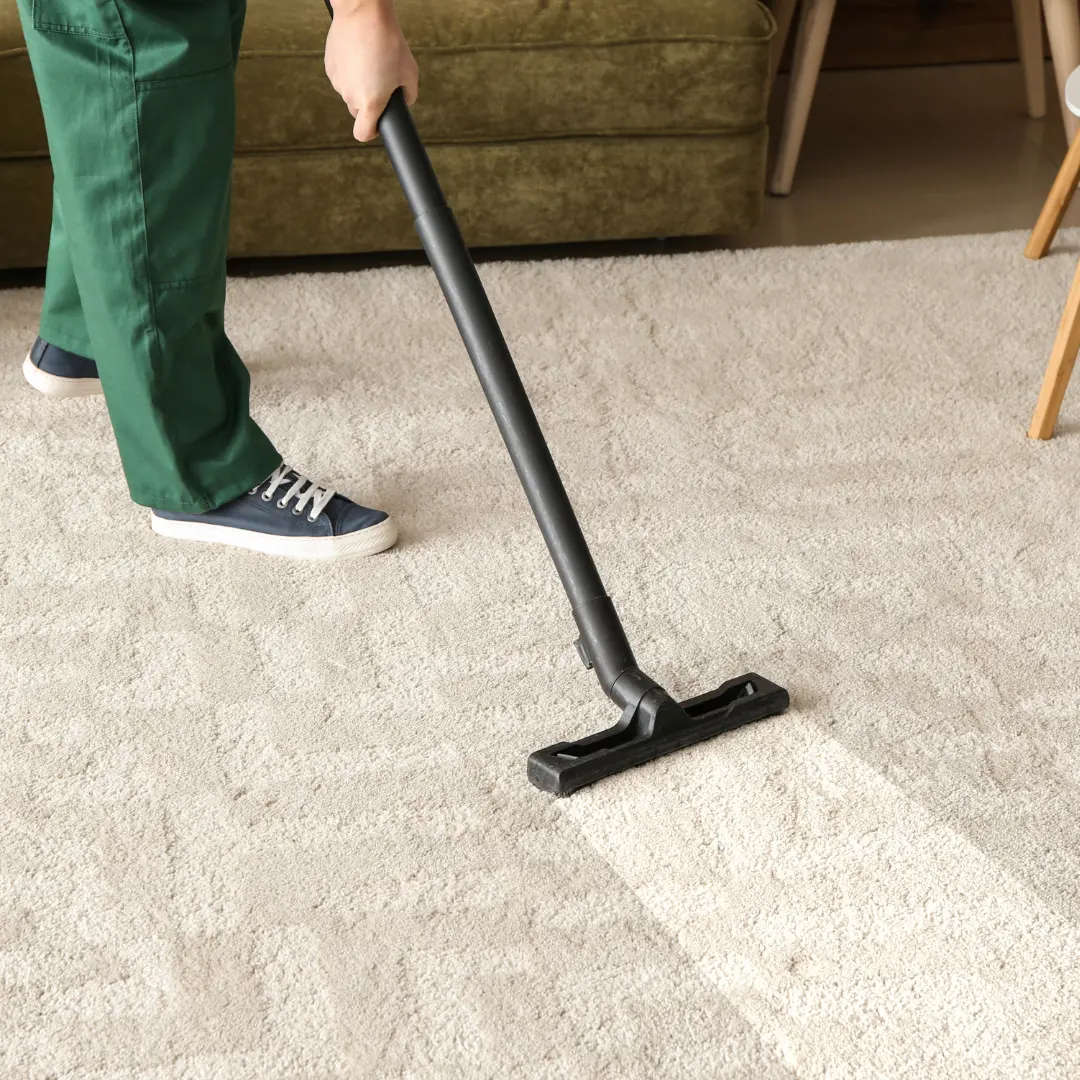
A rug can hold a surprising amount of dry soil below the visible pile. That grit behaves like fine sandpaper each time somebody walks over it, so removing dry soil thoroughly before wet cleaning is an important part of the job.
Some rugs can be cleaned safely in the home. Others are better handled in a controlled setting where both sides can be treated and drying is easier to manage. The rug’s fibre, construction and condition determine where it should be cleaned.
The best method is the one the textile can safely handle, not the strongest machine available.
Send us the dimensions, clear photos and a note about pets, spills or past DIY products. We can usually tell you what needs closer inspection before anyone turns up — send those details through the contact page and we will come back to you.
How fitted carpet is normally approached
Installed carpet is inspected in the room where it will be cleaned. The technician considers fibre, underlay, traffic lanes, spots, joins and access. Dry vacuuming removes loose soil before pre-treatment and extraction or another suitable method. Moisture recovery and ventilation then affect the drying time.
Because the carpet cannot be turned over, contamination that reaches the backing or underlay may require more than surface cleaning. This is particularly relevant for large spills and repeated pet urine.
Why rugs need additional checks
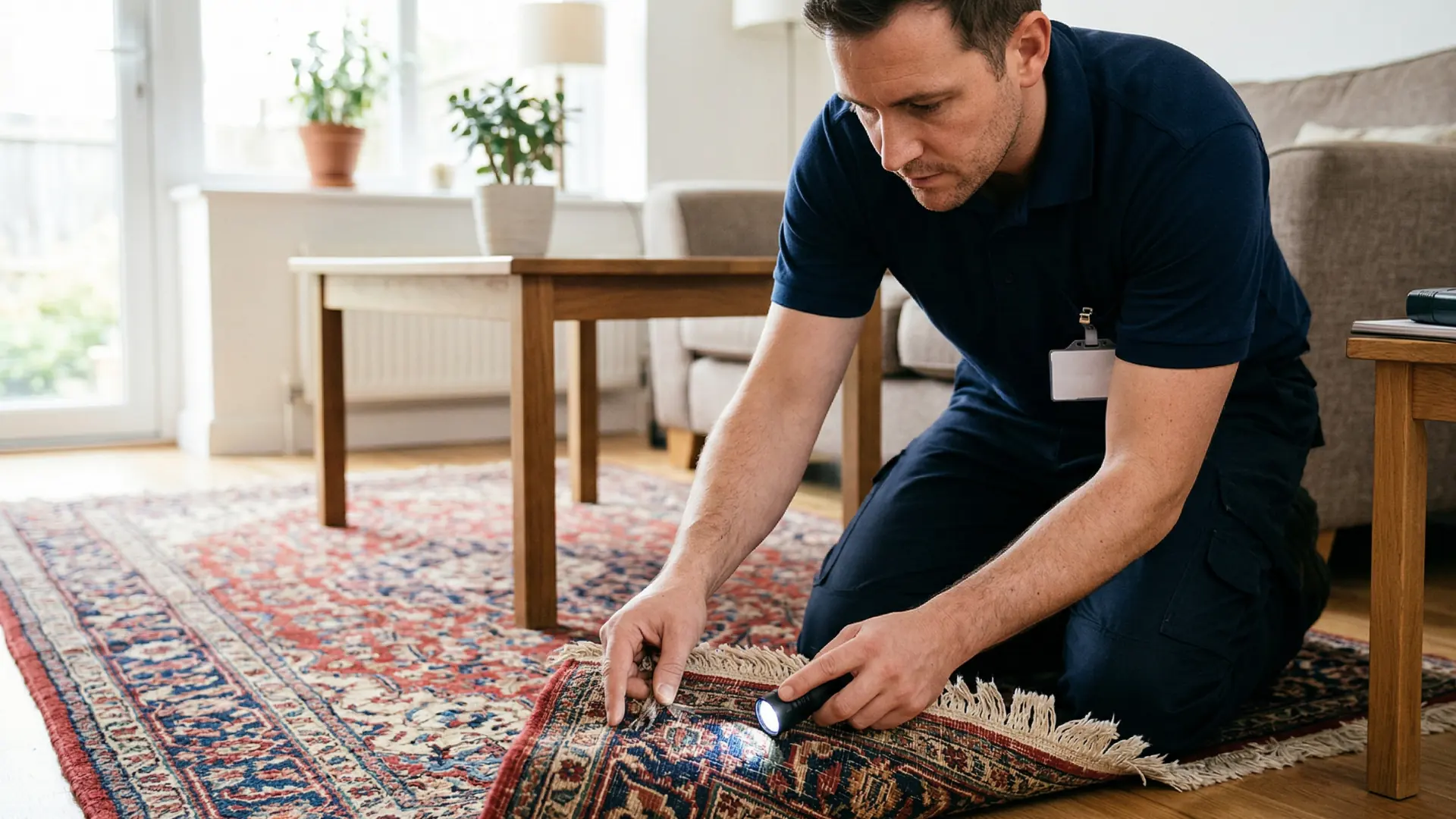
A rug has edges, backing and sometimes fringe that are not present in the same way on fitted carpet. Dyes from one coloured area can migrate into another. Cotton foundations can shrink, viscose can change texture, and weakened backing can crack or separate. These risks are assessed before cleaning begins.
Thorough removal of dry grit is especially important because soil can settle through the pile and remain trapped close to the foundation. Wetting a rug before removing that material can make the process less effective.
Choosing where the rug is cleaned
On-site cleaning can suit some stable synthetic rugs with light to moderate soil. Off-site or controlled cleaning may be recommended for delicate fibres, unstable dyes, heavy soil, odour affecting both sides or fringe that needs specific attention. The recommendation should be explained rather than based only on size.
The floor beneath the rug also needs protection. Timber, laminate and other moisture-sensitive surfaces should not be exposed to cleaning solution or prolonged dampness.
What actually drives the price
Fitted carpet is usually quoted by room, by area, or as a package for the whole home. Rugs are normally quoted individually, because fibre and condition move the number more than floor area alone does. A small synthetic rug and a large wool piece are not the same job, even at the same square metreage.
These are the factors that most often change a quote:
- Size: larger rooms and larger rugs need more time, more solution, more extraction and more drying management.
- Fibre: synthetics are usually more straightforward than wool, cotton, viscose or blended pile.
- Condition: routine maintenance is a different job from heavy soiling, pet accidents or long-set staining.
- Odour: removing a smell is often more involved than removing the mark that caused it.
- Access: stairs, heavy furniture, tight layouts and handling requirements all add labour.
- Drying: some jobs need far more moisture control than others.
It surprises people that a rug can cost more to clean than the carpet it sits on. That is rarely because the rug is dirtier. It is because it needs individual attention — closer inspection, more conservative treatment of the dyes, and a process that protects the structure rather than simply refreshing the surface. You are paying for judgement as much as for equipment.
For a figure based on your actual floors rather than a generic price list, request a quote, or read how the service is approached on the carpet and rug cleaning page.
How often carpets and rugs need cleaning
There is no schedule that suits every home. In a quieter household, professional cleaning every six to twelve months is usually enough. Homes with children, pets, frequent visitors or allergy concerns often benefit from shorter intervals.
Think in terms of use rather than dates. A bedroom rug that sees light traffic does not need the same attention as the main lounge carpet, and an entry rug that catches soil every day will need help sooner than a decorative piece in a spare room.
These are the signals worth acting on:
- the room no longer smells as fresh as it should, even after vacuuming;
- traffic lanes look dull or grey next to protected areas;
- the pile feels sticky, flattened or loaded;
- marks reappear a few days after cleaning;
- someone in the home is reacting more than usual to dust or indoor build-up.
Cleaning works better as maintenance than as rescue. Preserving a textile with timely care is more achievable than restoring one that has been left too long.

Where DIY usually goes wrong
Scrubbing is the most common mistake. It spreads the spill, damages the pile and drives moisture deeper into the construction. Over-wetting is close behind: too much liquid slows drying and encourages wicking, where a mark rises back through the fibres days after it appeared to be gone.
Product choice causes as much trouble. Something harmless on a synthetic carpet can be too harsh for a wool rug, and many general-purpose products leave a residue that attracts soil faster than before. The area can look acceptable while damp, then dry stiff, uneven or dirtier than it started.
Delay matters too. The longer a spill sits, the further it travels below the surface — particularly pet accidents and sugary drinks. Prompt blotting genuinely helps. Once the problem is established, DIY becomes more of a gamble than a solution.
What a professional visit should look like
A good service feels methodical rather than rushed. It starts with inspection: fibre, construction, traffic patterns, spots and anything that affects the safest approach. Dry soil is removed first, then pre-treatment where it is needed, then the chosen cleaning method, then moisture recovery and drying guidance for your particular rooms.
Nobody should promise that every mark will disappear. Some improve dramatically; bleach damage and permanent dye changes will not. A cleaner who explains that difference before starting is telling you something useful about how they work.
Questions worth asking a cleaner
Ask whether the fibre and dyes will be tested, how dry soil is removed, whether both sides require attention and how the rug will be dried. Explain previous cleaning, stain products, pet accidents and any colour movement you have noticed.
A useful quote should state whether cleaning is planned in the home or elsewhere and identify any important limitations. No cleaner can promise every stain will disappear, but they should be able to explain the method and the risks in ordinary language.