
Carpet or Rug? Why the Cleaning Method Matters
A rug may look like removable carpet, but its fibres, dyes, backing and construction can demand a very different cleaning process.
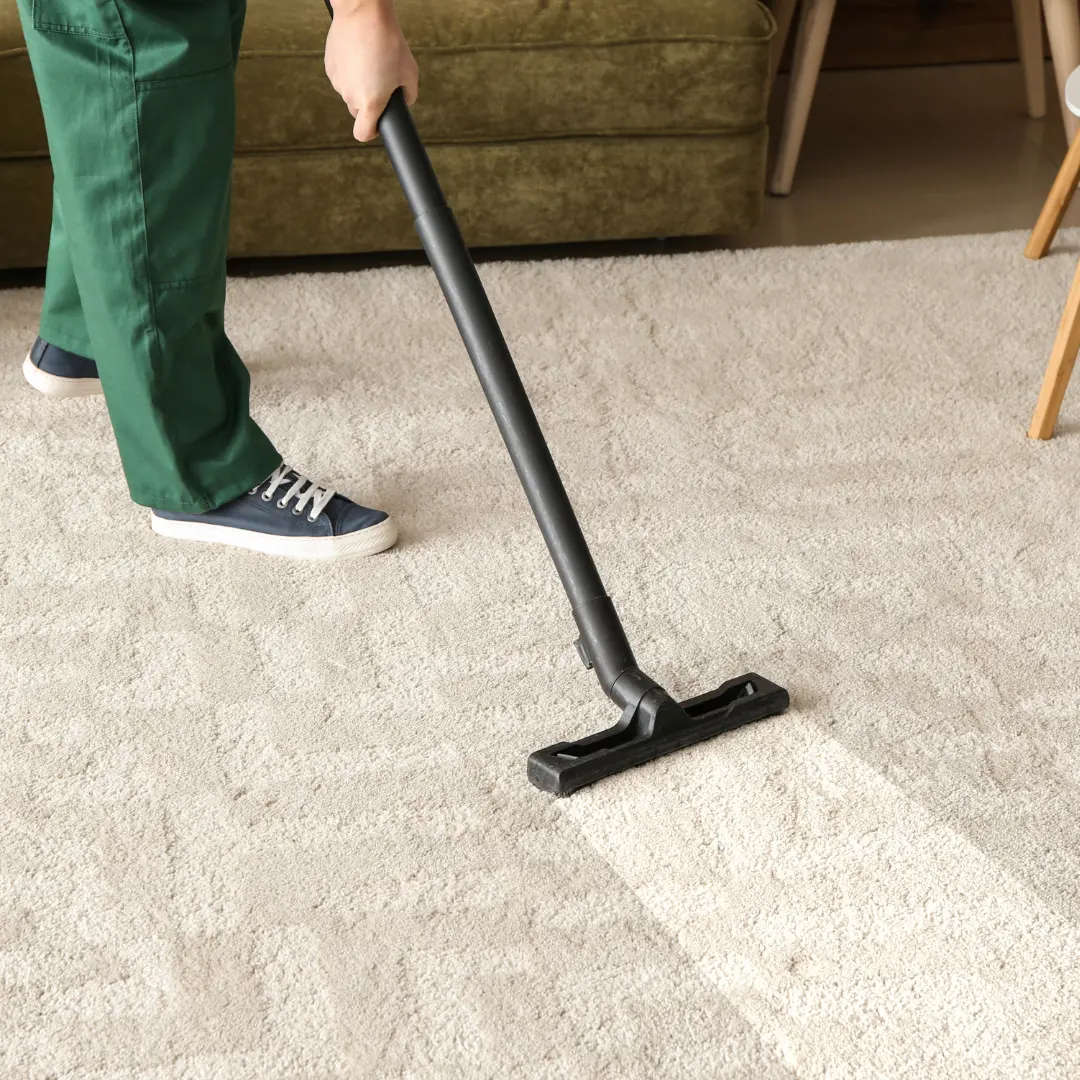
Two rugs can look similar from across the room and behave completely differently once moisture touches them. The cleaning method depends on the fibre, dye, fringe and backing.
Carpet is normally fixed to the floor over underlay. A rug is a separate textile that may contain wool, cotton, viscose, silk, synthetic fibre or several materials in one construction. Treating them as interchangeable can create avoidable problems.
A rug is not just loose carpet
Before cleaning a rug, the technician should consider fibre type, dye stability, backing, fringe and any pre-existing wear. Colour migration, shrinkage and texture change are greater concerns with some natural or hand-made rugs than with standard synthetic carpet.
Dry soil removal matters enormously. Fine grit settles deep in a rug and acts like abrasive material when people walk over it. Thorough vacuuming or specialist dust removal should happen before moisture is introduced.
What we look for on the job
Some rugs can be safely cleaned on-site. Others are better moved to a controlled environment where both sides can be treated and drying can be managed. The answer depends on the rug—not simply its size or price.
When requesting a quote, send a photo of the full rug, a close-up of the pile, the label if present and images of stains or fringe. Include approximate dimensions and mention pets, odours or previous cleaning attempts.
Construction changes the risk
Installed carpet is generally secured over underlay and cleaned in place. A rug is a separate textile with its own foundation, edges and sometimes fringe. Hand-knotted, tufted, woven and machine-made rugs respond differently to agitation and moisture. Latex or adhesive in the backing may also deteriorate with age.
The cleaner needs to assess more than the fibre visible on top. Backing condition, edge finishes and any repairs can determine whether on-site cleaning is appropriate.
Fibre and dye testing
Wool, cotton, viscose, silk and synthetic fibres have different tolerances. Some dyes can migrate when wet, particularly after previous cleaning or prolonged exposure to a spill. A colourfastness test helps identify risk before the entire rug is treated.
Testing does not guarantee that every unstable area will behave identically, but it informs the method, product choice, temperature and drying plan. A cleaner should discuss higher-risk materials rather than treating every rug like standard synthetic carpet.
On-site versus controlled cleaning
Some colourfast synthetic rugs can be cleaned safely on a suitable floor in the home. Delicate fibres, unstable dyes, heavy contamination or a need to treat both sides may favour removal to a controlled facility. There, dry soil can be removed more thoroughly and drying conditions are easier to manage.
Furniture, flooring beneath the rug and access also affect the decision. Cleaning a rug on top of a moisture-sensitive timber floor is not appropriate without adequate protection.
Information to provide for a quote
Measure the rug and photograph the full front, a corner turned back, the pile close up, fringe and any label. Add separate images of stains, worn areas or pet damage. State what caused any spill and list products already used.
Price alone should not determine the cleaning method. An inexpensive rug can still shrink, bleed or distort, while a costly rug is not automatically delicate. A clear assessment of construction and condition is the sensible basis for the recommendation.