If you have ever looked at a wall-to-wall carpet and an area rug and thought, “They’re basically the same thing, so the cleaning should be the same too,” you are not alone. It is a very common assumption, and it is also the reason many people end up confused by quotes, underwhelmed by DIY results, or worried when a valuable rug does not respond the way a standard carpet might. In reality, carpet cleaning and rug cleaning often overlap, but they are not interchangeable. The difference matters when you are trying to remove stains, reduce odours, improve hygiene, and protect the life of the fibres in your home. In this guide, we will break down what actually changes between one service and the other, what usually affects the cost, and how to tell when it is time to bring in a professional instead of trying to push through with supermarket products and wishful thinking.
Table of Contents
- Carpet Cleaning vs Rug Cleaning: What Actually Changes?
- Why One Cleaning Method Does Not Fit Everything
- How Much Carpet and Rug Cleaning Usually Costs
- When It Makes Sense to Book a Professional
- How Often Should You Clean Carpets and Rugs?
- What to Expect From a Professional Cleaning Visit
- Common DIY Mistakes That Can Make Things Worse
- Conclusion
Carpet Cleaning vs Rug Cleaning: What Actually Changes?
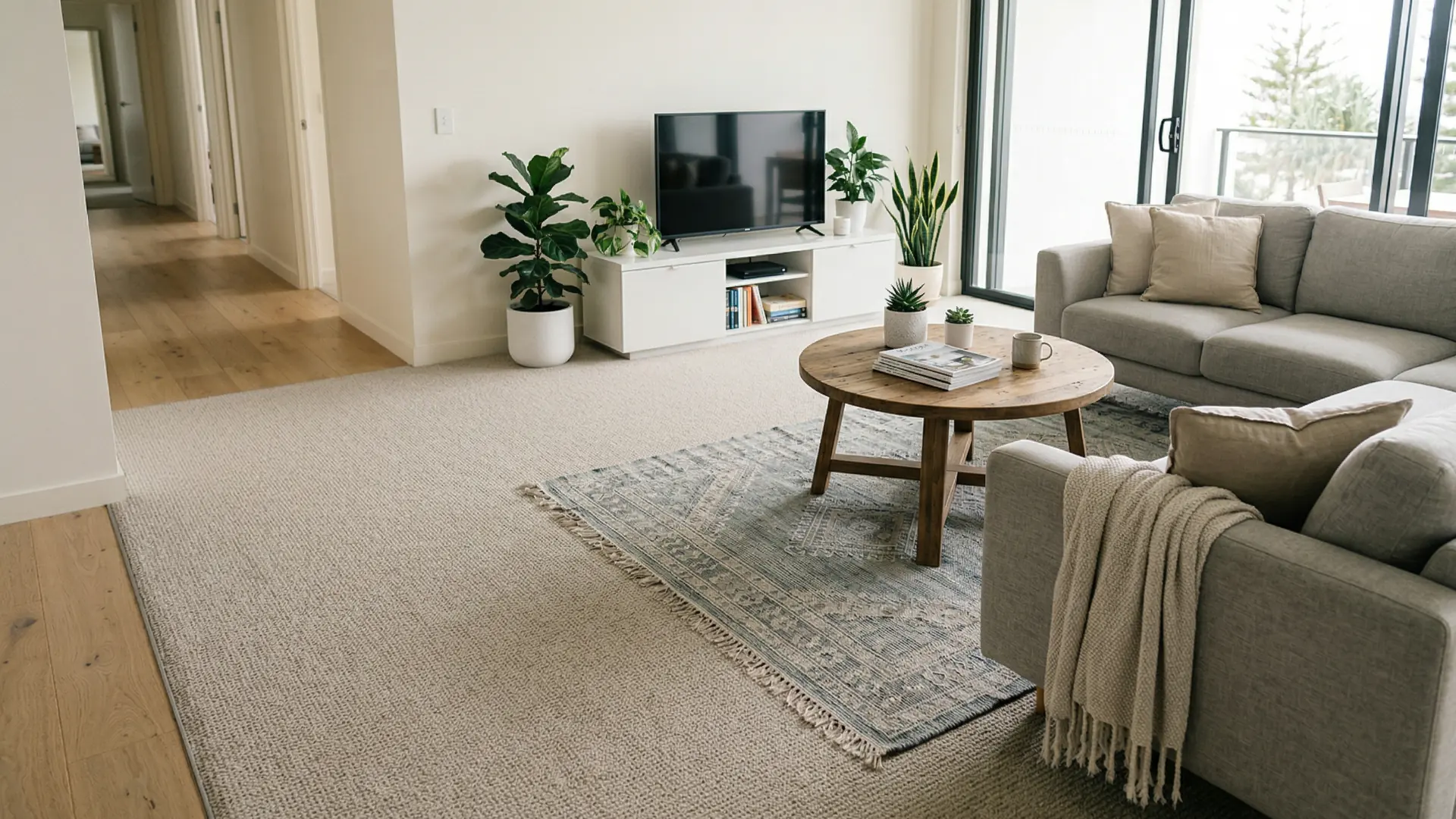
The biggest difference is simple: a carpet is usually fixed to the home, while a rug is movable and often more variable in construction. That sounds minor, but from a cleaning point of view it changes nearly everything. Wall-to-wall carpet is normally cleaned in place and is often quoted by room, area, or square metre. Rugs, on the other hand, can vary widely in fibre, thickness, dye stability, backing, fringe, and age. A synthetic rug in a busy family room is a completely different job from a decorative wool or delicate woven rug in a low-traffic space.
That is why professional cleaners do not look only at the visible stain. They look at the surface, the fibre, how the item is used, how much soil has settled below the pile, and whether there is any risk of shrinkage, colour bleed, distortion, or lingering odour from spills that have travelled deeper than they appear. In short, carpets and rugs may live in the same room, but they do not always respond to the same treatment in the same way.
If you already know your home needs attention, it can be helpful to start with All Clean Revival’s carpet and rug cleaning service page to see how professional treatment is approached.
Why One Cleaning Method Does Not Fit Everything
A lot of frustration around cleaning comes from the belief that stronger products and more water automatically mean a deeper clean. In practice, good cleaning is more controlled than aggressive. Some carpets respond well to hot water extraction, especially when the goal is to lift embedded soil, allergens, and everyday family build-up. Other surfaces may be better suited to a lower-moisture approach depending on the fibre, backing, condition, and drying requirements.
Rugs deserve even more caution. Natural fibres can be more sensitive than many people expect, and heavily used rugs often hold a surprising amount of dust, pet dander, and residue below the surface. That does not mean every rug is fragile, but it does mean the safest and most effective method should be chosen intentionally rather than guessed.
This is also one reason price comparisons can feel inconsistent. You may be comparing two quotes that sound similar on paper while actually covering very different processes. A quick surface clean is not the same as a fibre-aware service that includes inspection, pre-treatment, odour work, moisture control, and realistic after-care guidance.
How Much Carpet and Rug Cleaning Usually Costs
This is the section most people look for first, so let’s make it practical. In Australia, carpet cleaning is often priced per room, per area, or as part of a package for a home. Rug cleaning is commonly priced per rug, but size, material, and condition can change the final number quickly. As a rough guide, standard carpet cleaning often starts at a modest per-room rate, while rugs can range from relatively affordable for a small synthetic piece to significantly more for a larger, thicker, or more delicate rug.
What matters more than chasing the cheapest starting price is understanding what drives the quote. These are some of the main factors:
- Size: larger rooms and larger rugs take more time, solution, extraction, and drying management.
- Material: synthetic fibres are usually more straightforward than natural or delicate fibres.
- Condition: general maintenance cleaning is different from heavy soiling, pet accidents, or long-set staining.
- Odour treatment: removing the smell is often more complex than removing the visible mark.
- Access and setup: stairs, furniture, tight layouts, and handling requirements can all affect labour.
- Drying expectations: some jobs need more careful moisture control than others.
One point that surprises many homeowners is that a rug can cost more to clean than the surrounding carpet. That is not necessarily because it is dirtier. It is often because the rug needs more individual attention. A technician may need to inspect the fibres more carefully, treat the dyes more conservatively, and manage the clean in a way that protects the structure rather than simply refreshing the surface.
The best way to think about cost is this: you are not paying only for water and detergent. You are paying for judgement. If you would rather get a quote based on the actual condition of your floors than guess from generic price lists, you can contact All Clean Revival here and request a quote that reflects your specific carpet or rug.
When It Makes Sense to Book a Professional
Not every situation requires a professional immediately. Regular vacuuming, quick blotting of fresh spills, and basic upkeep genuinely help. But there is a clear line where DIY becomes less efficient and more risky.
It is usually worth booking a professional when you are dealing with pet odours, repeated staining, allergy concerns, visible traffic lanes, or a rug you do not feel confident experimenting on. Families with kids often reach this point sooner because carpets and rugs end up absorbing much more than dust alone. Food spills, drink splashes, outdoor soil, skin oils, and general day-to-day traffic build up gradually, so the surface may look “mostly fine” while still holding a lot below.
The same goes for homes where someone is sensitive to dust or where a bedroom rug or lounge carpet is used heavily every day. When hygiene, odour control, or fibre preservation matter, professional cleaning usually becomes less of a cosmetic luxury and more of a sensible maintenance decision.
Another strong sign is when you have already tried DIY products and the issue either remains or comes back. That often means the spill has gone deeper than the surface, or that residue left behind is attracting new dirt faster than expected.
How Often Should You Clean Carpets and Rugs?
There is no universal schedule that fits every home, but there are practical patterns. In a lower-traffic household, professional cleaning every 6 to 12 months can be enough to keep carpets and rugs fresh and manageable. In homes with children, pets, frequent visitors, or allergy concerns, more frequent cleaning may make sense.
A good rule of thumb is to think about use rather than calendar dates alone. A bedroom rug that sees light foot traffic will not need the same attention as the main lounge carpet in a busy family home. Likewise, an entry rug that catches soil every day will usually need help sooner than a decorative rug in a rarely used room.
If you are unsure, pay attention to these signals:
- the room no longer smells as fresh as it should, even after vacuuming;
- traffic areas look dull or grey compared with protected sections;
- the fibres feel sticky, flattened, or loaded;
- stains reappear after drying;
- someone in the home is reacting more than usual to dust or indoor build-up.
In many cases, professional cleaning works best as preventive maintenance rather than emergency rescue. It is easier to preserve a carpet or rug with timely care than to restore one that has been neglected for too long.
What to Expect From a Professional Cleaning Visit
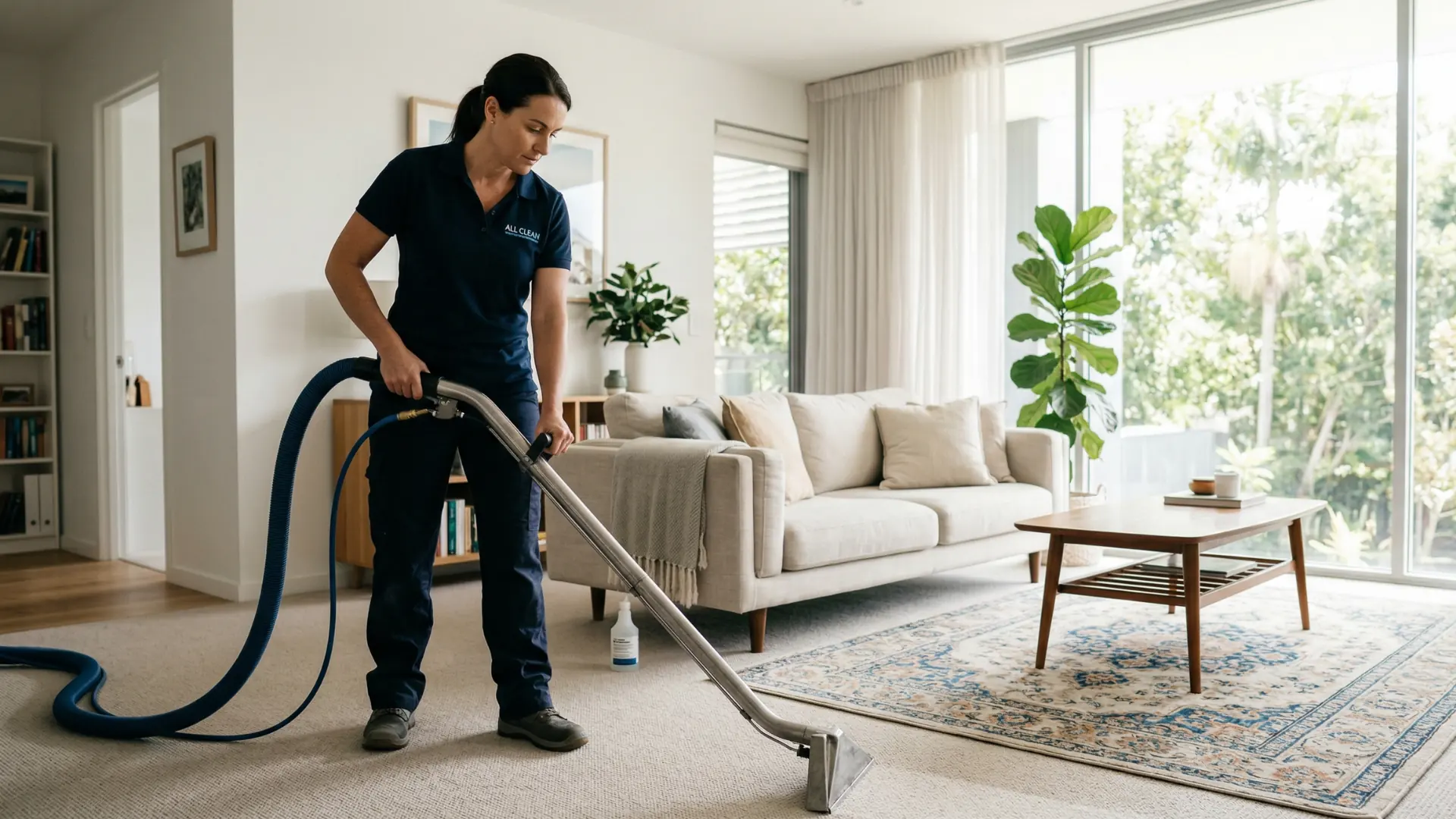
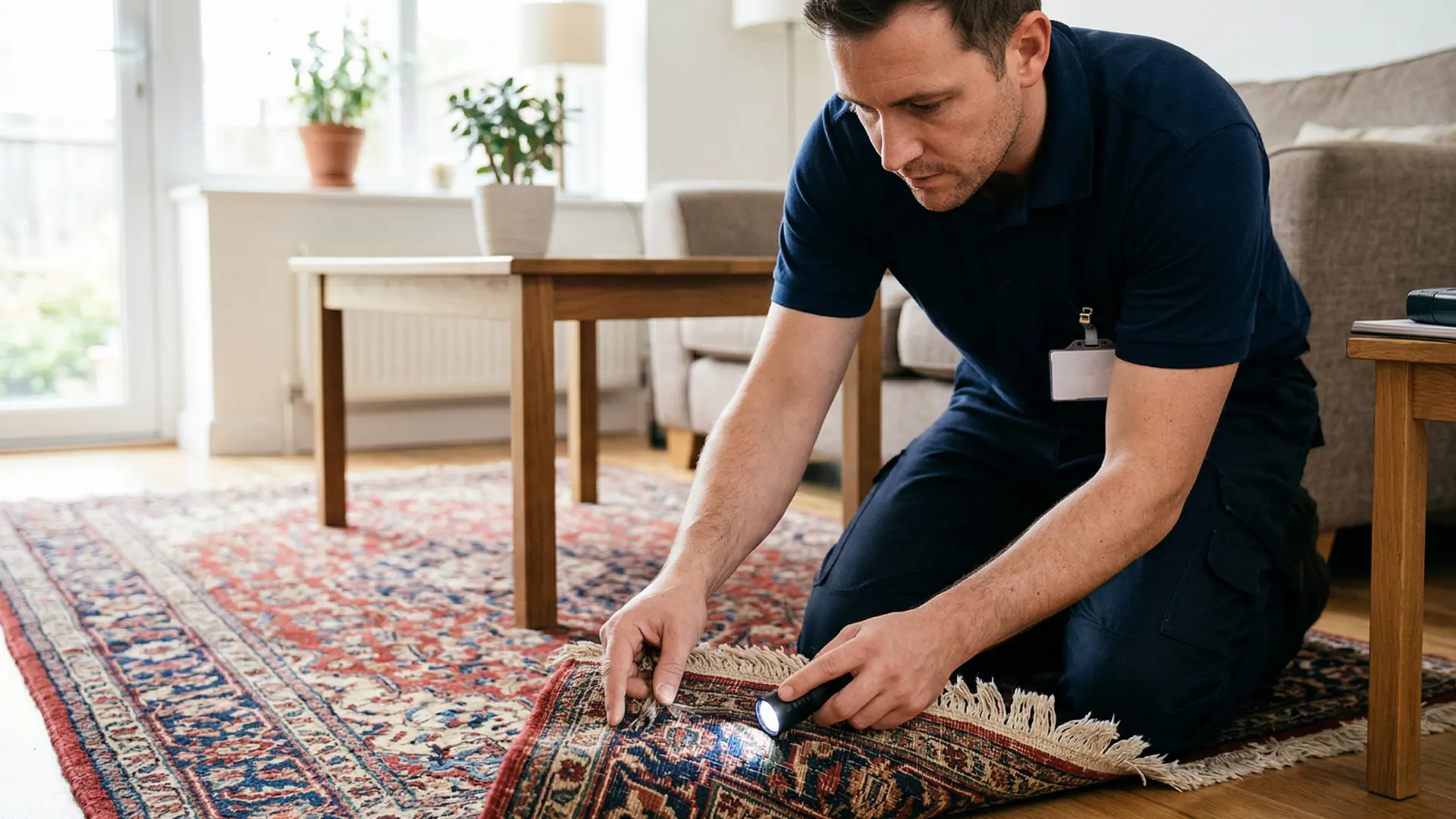
A quality service should feel methodical, not rushed. That usually starts with inspection. The technician looks at the fibre type, stained areas, traffic patterns, and anything that could affect the safest cleaning approach. Then comes pre-treatment for spots or heavier soil, followed by the chosen cleaning method, and finally drying guidance based on the home and the material involved.
The goal is not to promise perfection in every case. Honest professionals will usually explain that some stains may improve dramatically while others, especially bleach damage or permanent dye changes, may not fully disappear. That kind of transparency is a good sign. So is clear after-care advice.
At this stage, what you are really buying is confidence: confidence that the surface is being cleaned in a way that suits the material, confidence that moisture is being controlled properly, and confidence that the result will feel cleaner rather than just look temporarily brighter.
If that is the kind of help you are looking for, get in touch with All Clean Revival for a quote and practical guidance based on your home, your flooring, and the condition of the job.

Common DIY Mistakes That Can Make Things Worse
The most common mistake is scrubbing too hard. People see a spill, panic, and start rubbing aggressively, which can spread the stain, damage the fibres, and force moisture deeper. Another frequent issue is over-wetting. Too much liquid does not just slow drying; it can contribute to wicking, recurring marks, and unpleasant smells that return later.
The wrong product is another major problem. A cleaner that seems harmless on a standard carpet may be too harsh for a particular rug, or it may leave residue that turns into a dirt magnet. Even when the immediate result looks acceptable, the area can resoil faster, feel stiff, or look uneven once dry.
Then there is the delay factor. The longer a spill sits, the more likely it is to settle below the visible layer. That is especially true with pet accidents and sugary drinks. Fast action helps, but once the problem is established, DIY often becomes more of a gamble than a solution.
Conclusion
Carpet cleaning and rug cleaning are closely related, but they are not the same job. Carpets are usually cleaned in place and often priced by area or room, while rugs can demand more individual care depending on their size, fibre, age, and condition. That is why the cost can vary, why one method does not suit every surface, and why some jobs are best left to a professional.
If your home has light maintenance needs, regular vacuuming and prompt spill care still matter. But when odours linger, stains return, allergies flare up, or a rug feels too valuable to risk, professional cleaning becomes the smarter next step. And if you want a realistic quote without the guesswork, you can learn more about carpet and rug cleaning or contact All Clean Revival for advice tailored to your space.